


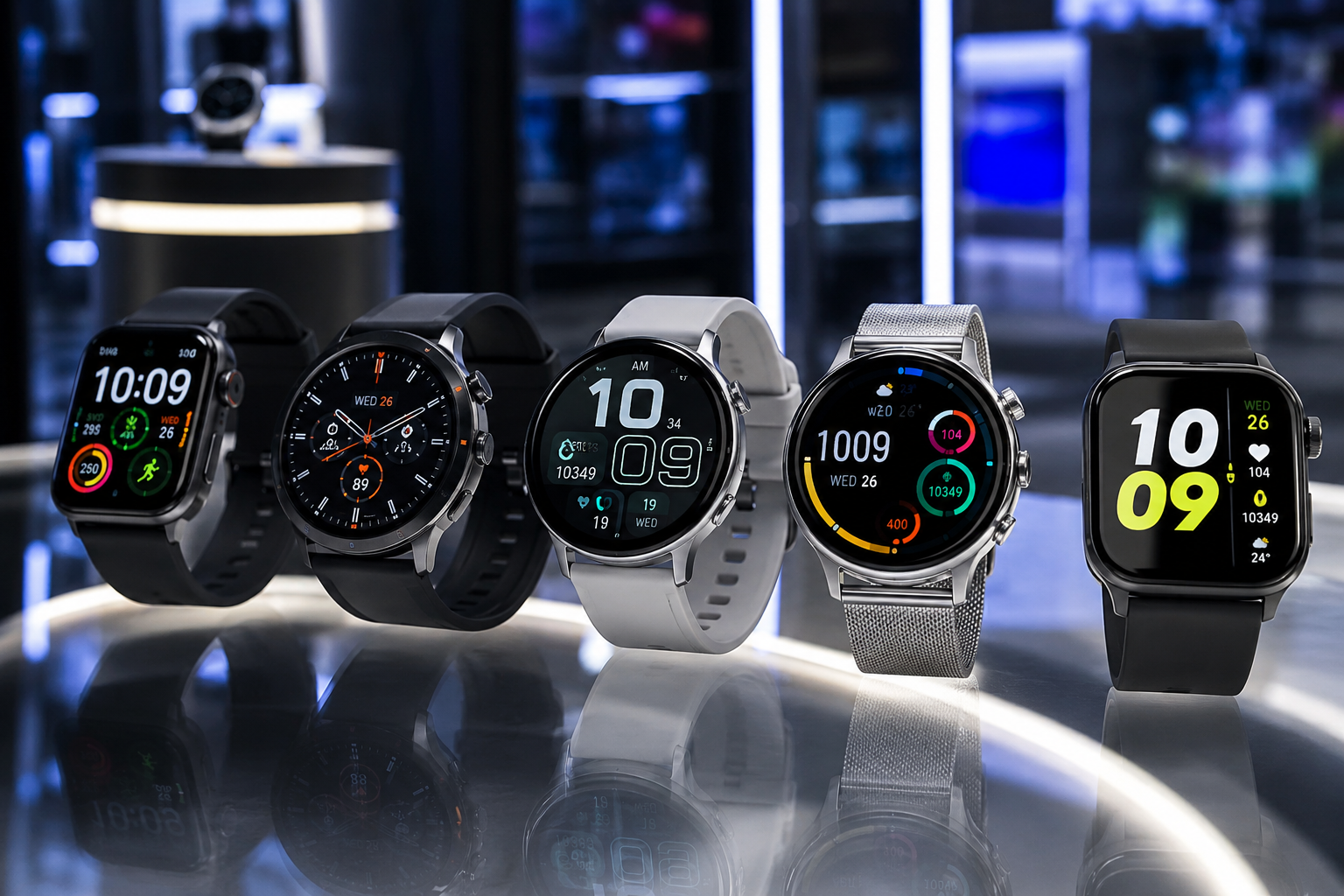
Smartwatch Shipments experienced another strong quarter in early 2026, highlighting the continued demand for wearable technology around the world. While the smartphone market has faced periods of uncertainty, smartwatches have continued attracting consumers who want health tracking, fitness monitoring, and seamless connectivity on their wrists.
According to the latest market data, global smartwatch shipments increased by 10% year-over-year during the first quarter of 2026. The growth reflects rising consumer interest in wearable devices, expanding product portfolios, and increasing adoption across both premium and budget segments.
Despite growing competition from numerous brands, Apple once again retained its position as the world’s leading smartwatch manufacturer. However, the latest numbers also reveal that rivals are steadily gaining ground, creating a more competitive market than ever before.
The first quarter of 2026 paints a fascinating picture of how the smartwatch industry is evolving and where it may be heading next.
Why Smartwatch Shipments Are Growing Again: Smartwatch Shipments
The smartwatch industry has matured significantly over the past decade.
What was once considered a niche gadget has become an essential device for millions of consumers. Today’s smartwatches offer much more than notifications and step counting. They have evolved into powerful health, fitness, and productivity tools.
This evolution has helped drive continued growth across global markets.
Health Features Are Driving Demand
One of the biggest reasons consumers purchase smartwatches is health tracking.
Modern devices now offer:
- Heart rate monitoring
- Sleep tracking
- Blood oxygen measurement
- Activity tracking
- Workout analysis
- Stress monitoring
As people become more health-conscious, wearable technology continues gaining relevance in everyday life.
Consumers Want Better Connectivity
Smartwatches also provide convenient access to important information without requiring users to constantly check their smartphones.
Features such as messaging, notifications, calls, navigation, and mobile payments have helped increase adoption among a wider audience.
For many users, smartwatches have become a natural extension of their smartphones.
Apple Remains the World’s Largest Smartwatch Brand: Smartwatch Shipments
Even as competition intensifies, Apple continues to dominate the smartwatch market.
According to the latest shipment figures, Apple retained the top position globally during the first quarter of 2026.
The Strength of the Apple Ecosystem
One of Apple’s greatest advantages remains its ecosystem.
The integration between:
- iPhone
- Apple Watch
- AirPods
- iPad
- Mac
creates a seamless user experience that is difficult for competitors to replicate.
Consumers who already own Apple products often find the Apple Watch to be a natural addition to their device collection.
Premium Features Continue to Attract Buyers
Apple’s smartwatch lineup continues to appeal to users looking for advanced features, premium design, and long-term software support.
The company has consistently focused on:
- Health monitoring
- Fitness tracking
- Safety features
- User-friendly software
These strengths have helped Apple maintain its leadership position despite growing pressure from competitors.
Huawei Continues Its Strong Momentum: Smartwatch Shipments
One of the standout performers in the latest market report was Huawei.
The company maintained its position among the leading smartwatch manufacturers and continued demonstrating strong growth in several regions.
Expanding Product Portfolio
Huawei has successfully built a diverse smartwatch lineup that appeals to different types of consumers.
Its products range from:
- Premium smartwatches
- Fitness-focused wearables
- Affordable models
- Hybrid designs
This broad portfolio allows Huawei to compete across multiple market segments.
Strong Regional Performance: Smartwatch Shipments
Huawei’s wearable business has benefited from strong demand in key markets, particularly in regions where the company’s brand remains highly popular.
The company’s ability to combine attractive designs with competitive pricing continues to resonate with consumers.
Xiaomi Strengthens Its Position: Smartwatch Shipments
Xiaomi also delivered an impressive performance during the first quarter of 2026.
The company has steadily expanded its presence in the wearable market through a combination of affordability and feature-rich devices.
Value Remains Xiaomi’s Biggest Strength
Xiaomi has built a reputation for offering products that deliver strong value for money.
Its smartwatch lineup often includes:
- Health tracking features
- Long battery life
- Modern designs
- Competitive pricing
This strategy has helped Xiaomi attract budget-conscious consumers around the world.
Expanding Beyond Smartphones
While Xiaomi is widely known for smartphones, the company continues investing heavily in its broader ecosystem of connected devices.
Smartwatches have become an important part of that strategy.
As more consumers embrace Xiaomi’s ecosystem, smartwatch adoption is likely to continue growing.
Samsung Remains a Major Competitor
Samsung continues to be one of the most influential players in the smartwatch industry.
The company’s Galaxy Watch lineup remains particularly popular among Android users.
A Strong Alternative for Android Users
Samsung offers one of the most complete smartwatch experiences outside Apple’s ecosystem.
Its devices provide:
- Advanced health monitoring
- Fitness tracking
- Wear OS integration
- Premium designs
- Strong smartphone connectivity
These features make Samsung a preferred choice for many Android users.
Innovation Continues to Drive Growth
Samsung regularly introduces new health features and software improvements that help keep its smartwatch lineup competitive.
This commitment to innovation remains an important factor in maintaining market relevance.
The Smartwatch Market Is Becoming More Competitive
Although Apple remains the market leader, the gap between brands is narrowing.
More companies are entering the wearable space with increasingly sophisticated products.
Consumers Have More Choices Than Ever
The modern smartwatch market now includes options at virtually every price point.
Consumers can choose from:
- Premium flagship devices
- Mid-range smartwatches
- Entry-level wearables
- Fitness-focused models
- Luxury smartwatch designs
This diversity has helped expand the overall market.
Innovation Is Accelerating
Competition is encouraging manufacturers to innovate faster.
Companies are racing to improve:
- Battery life
- Health tracking
- Display technology
- AI-powered features
- Software experiences
As a result, consumers continue benefiting from increasingly capable devices.
What Is Driving the Future of Smartwatch Growth?
The latest shipment data suggests that smartwatches still have significant room for expansion.
Several trends are expected to support future growth.
Health Technology Will Become More Advanced
Health monitoring remains one of the most important selling points for wearable devices.
Future smartwatches may include more advanced tracking capabilities, helping users better understand and manage their health.
AI Could Play a Bigger Role
Artificial intelligence is expected to become increasingly integrated into wearable technology.
AI-powered features may help provide:
- Personalized fitness insights
- Smarter health recommendations
- Improved battery optimization
- Enhanced productivity tools
These capabilities could make smartwatches even more valuable to consumers.
Emerging Markets Offer New Opportunities
Many developing markets still have relatively low smartwatch penetration rates.
As prices become more accessible and awareness grows, manufacturers may find significant opportunities for expansion in these regions.
Challenges Facing the Industry
Despite strong growth, the smartwatch market still faces several challenges.
Economic Uncertainty
Consumer spending can fluctuate during periods of economic uncertainty.
Premium smartwatch models often compete for discretionary spending, making economic conditions an important factor.
Market Saturation in Some Regions
In mature markets, many consumers already own smartwatches.
Manufacturers must continue introducing meaningful innovations to encourage upgrades.
Intense Competition
As more brands compete for market share, maintaining profitability can become increasingly difficult.
Companies must balance innovation with pricing strategies to remain competitive.
Why the Q1 2026 Results Matter
The first quarter of 2026 provides valuable insight into the health of the wearable industry.
The 10% year-over-year increase in smartwatch shipments demonstrates that demand remains strong despite broader economic uncertainties.
The results also highlight how the market continues evolving.
While Apple remains the dominant player, competitors such as Huawei, Xiaomi, and Samsung are steadily strengthening their positions.
This competition is creating a healthier and more dynamic industry.
Final Thoughts
Smartwatch Shipments continued their upward trajectory during the first quarter of 2026, growing by 10% year-over-year and reinforcing the strength of the global wearable market.
Apple successfully maintained its leadership position, but the latest figures show that competition is becoming increasingly intense. Huawei, Xiaomi, Samsung, and other manufacturers are all working aggressively to expand their market presence and attract new customers.
As health monitoring, AI-powered features, and ecosystem integration continue improving, smartwatches are becoming more useful than ever before. For consumers, this means better devices, more choices, and faster innovation.
The smartwatch industry still appears to have significant growth potential, and the coming years could bring even more exciting developments to the wearable technology market.
Read Other Interesting news here: AI Bubble Risk
